
Memorable Wonders of China
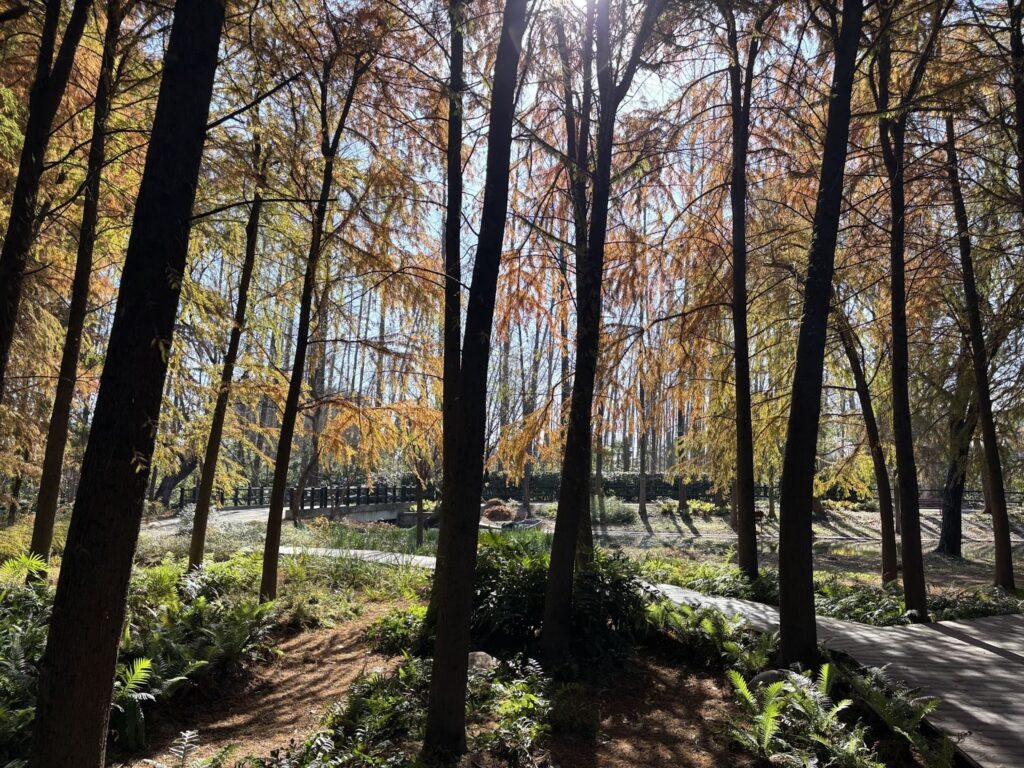
[Image Credit: Amber Wallis, 2026]
By: Amber Wallis
Over winter break, I traveled with Allison and my mom to China. We stayed in Shanghai with our relatives, and it was nice to spend more time with them. The trip lasted 16 days, and we devoted our time to exploring new parts of Shanghai. Halfway through the trip, we flew to Harbin, a city in China’s northernmost province. We spent two days there, looked at the famous ice sculptures, and visited the zoo. Here are a few of the most memorable places I visited in China, along with pictures from my trip.
- Yu Garden
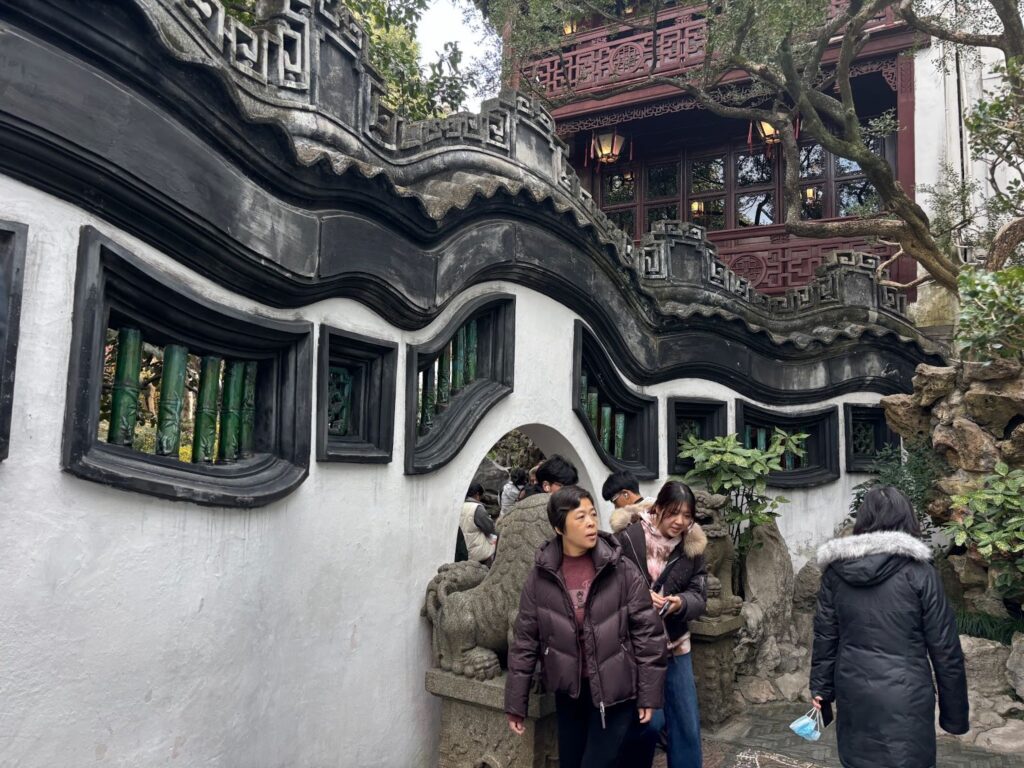
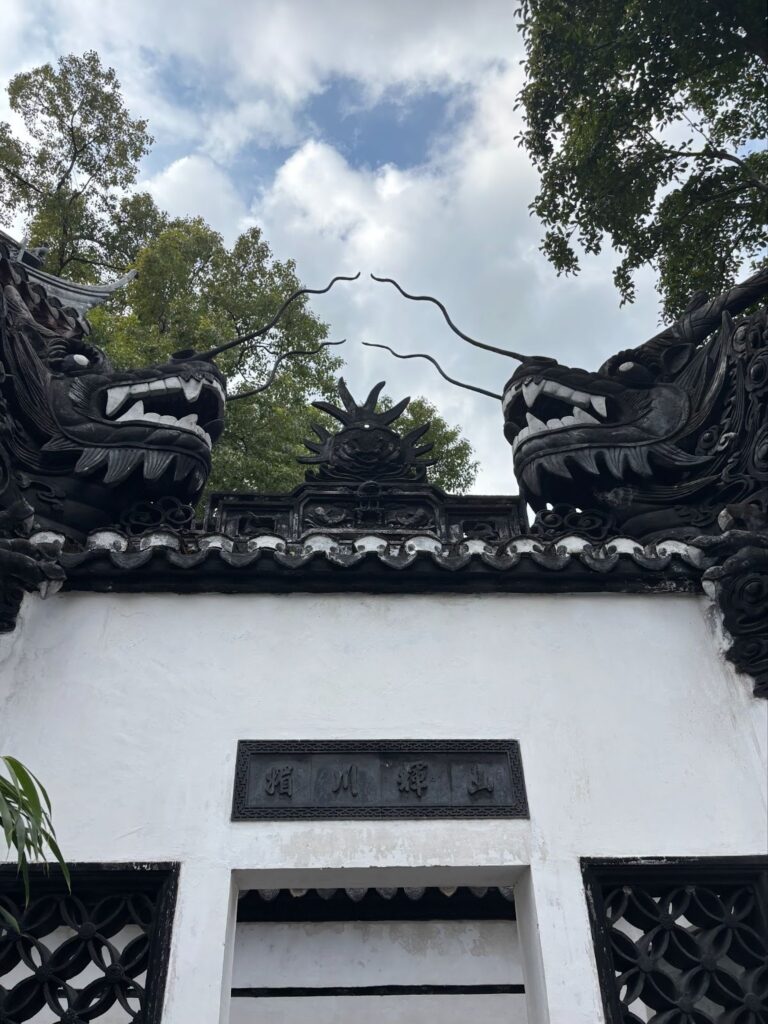
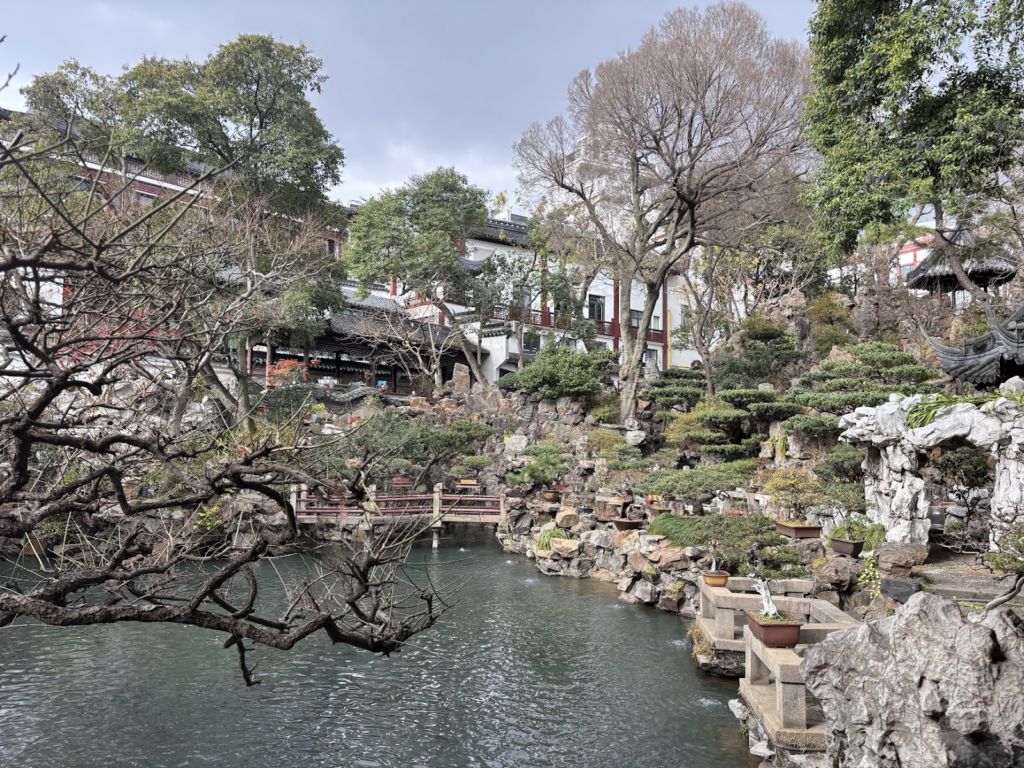
Yu Garden was built by Pan Yunduan for his parents during the Ming Dynasty. He wanted a calm place for them since they were getting old. Yunduan wanted deep precision in the architecture, so the garden’s construction took 18 years. The garden faced many conflicts and disrepair, but over time, it was restored by wealthy individuals. Yu Garden contains 6 regions, with 30 halls in total. Many buildings were used for ceremonies, but today, they are closed off to the public. The buildings are made of clay roofs, stone, and wood. Colors like white, brown, and gray are often seen, which contrast against the lush greens of the plants. Another interesting design I saw was stone dragons on top of the building’s walls, which were designed like a dragon’s body, as shown below. I wish I had more time to appreciate the finer details of the architecture in Yu Garden, but the crowds made it difficult to fully enjoy the environment.
[Image Credit: Amber Wallis, 2026]
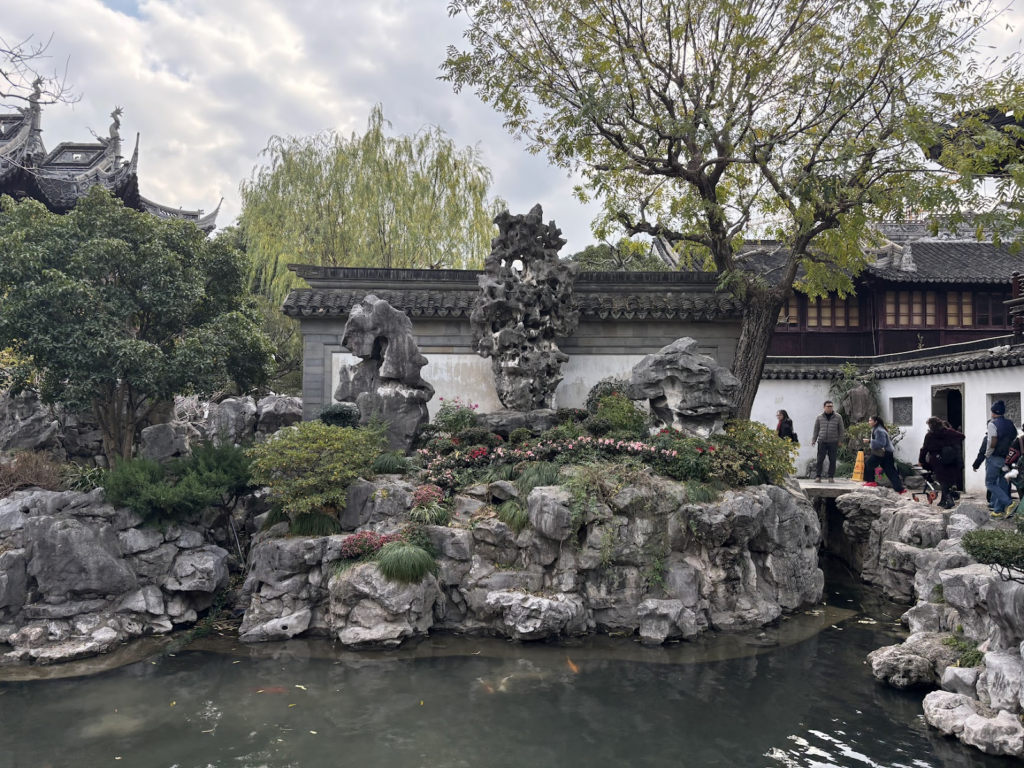
The great Rockery can also be seen in Yu Garden, and these are the oldest rocks in the southern region of
The Yangtze River. These are composed of thousands of yellow stones to replicate natural mountain landscapes in traditional Chinese gardens. Around Yu Garden are many restaurants, such as Nanxiang Steamed Bun and Yunnan Baazar restaurants. There are also small stores selling a variety of souvenirs, snacks, and jewelry. Today, Yu Garden is a popular tourist attraction, attracting approximately 37 million visitors annually. It has relatively small paths and often gets crowded; however, the architecture is worth seeing. I would have enjoyed the garden more if there were fewer people or tour groups, and I didn’t like how it was often crowded and noisy.
[Image Credit: Amber Wallis, 2026]
- Museum of Contemporary Art
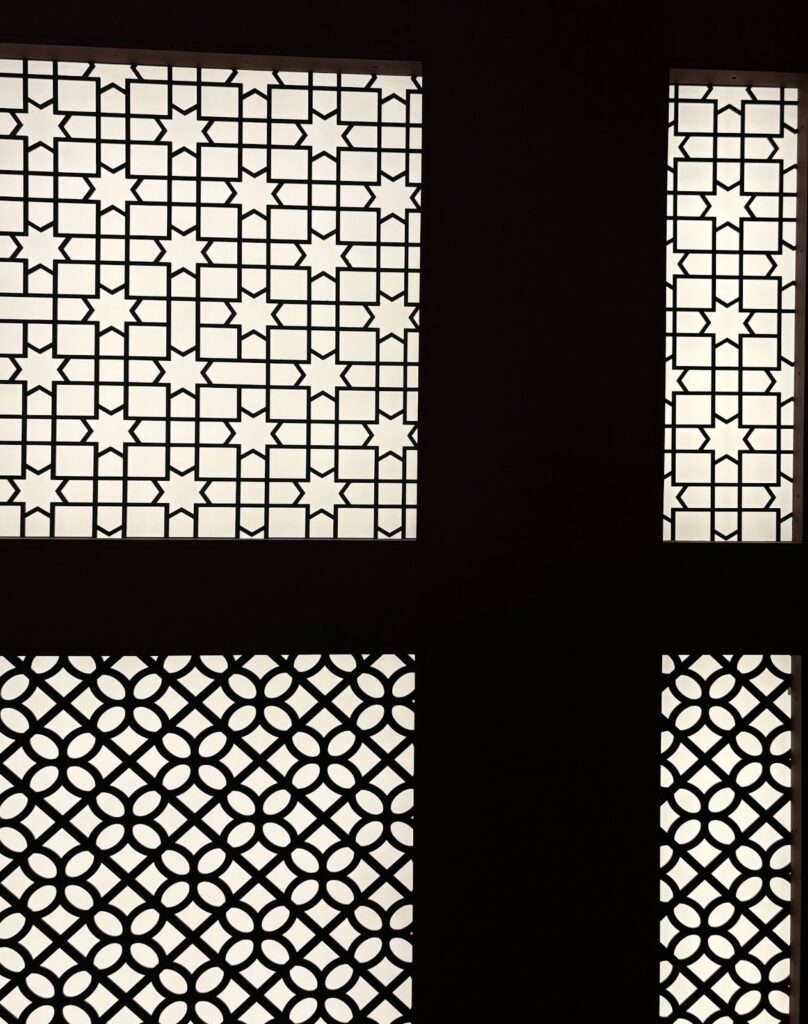
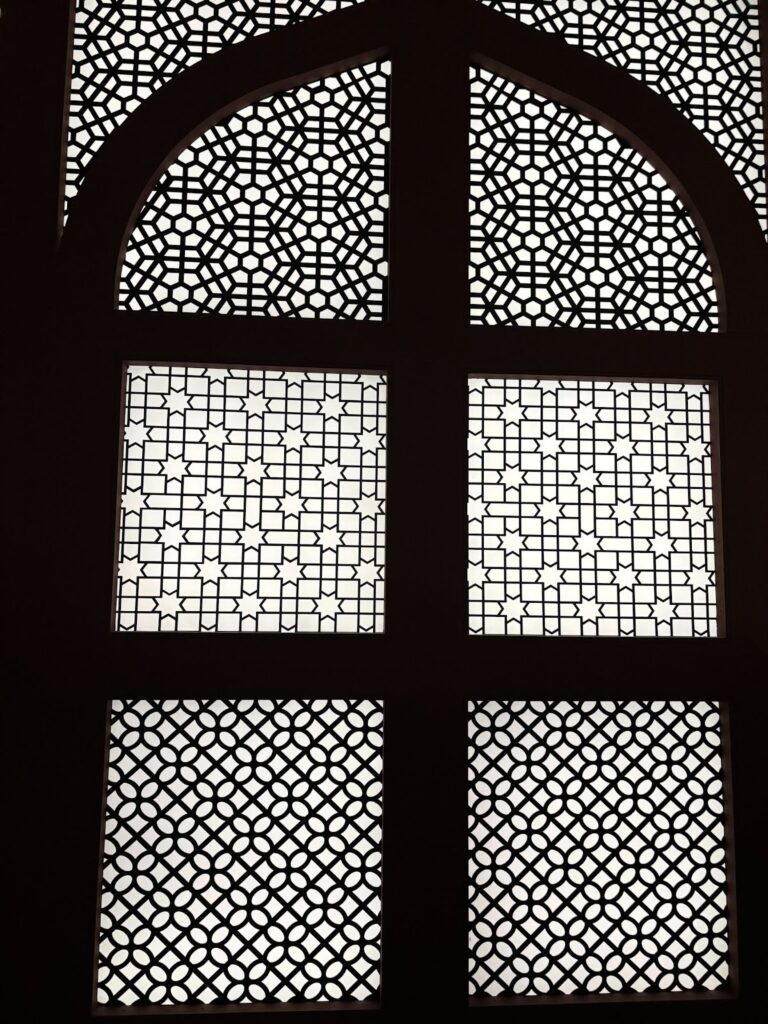
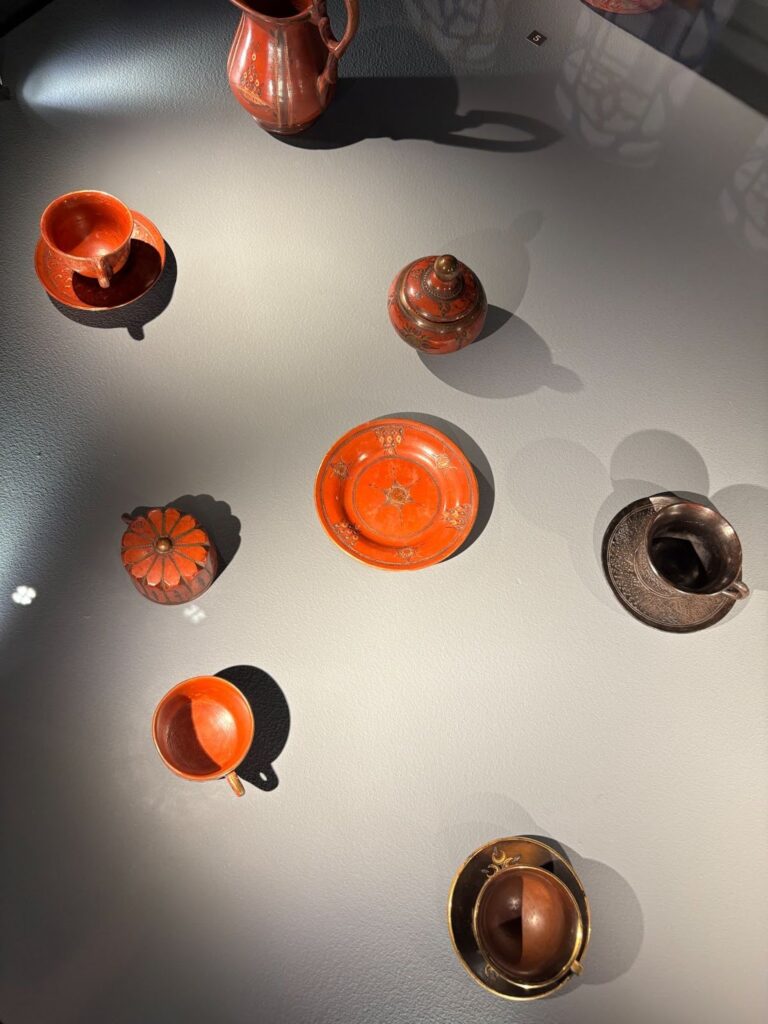
This museum is located in People’s Park and was founded in 2005. They featured artworks by Pablo Picasso, patterns from around the world, and a variety of ceramic pieces from Asia. The museum was big with multiple floors and had distinct styles for each exhibit. One exhibit that I walked through focused on different patterns in walls, tiles, and pottery. They also explored the different shapes countries used in their art, and each country expressed itself differently. At the highest floor, there was a glass window that overlooked the Bund and the Huangpu River.
[Image Credit: Amber Wallis, 2026]
- Jing’an Temple
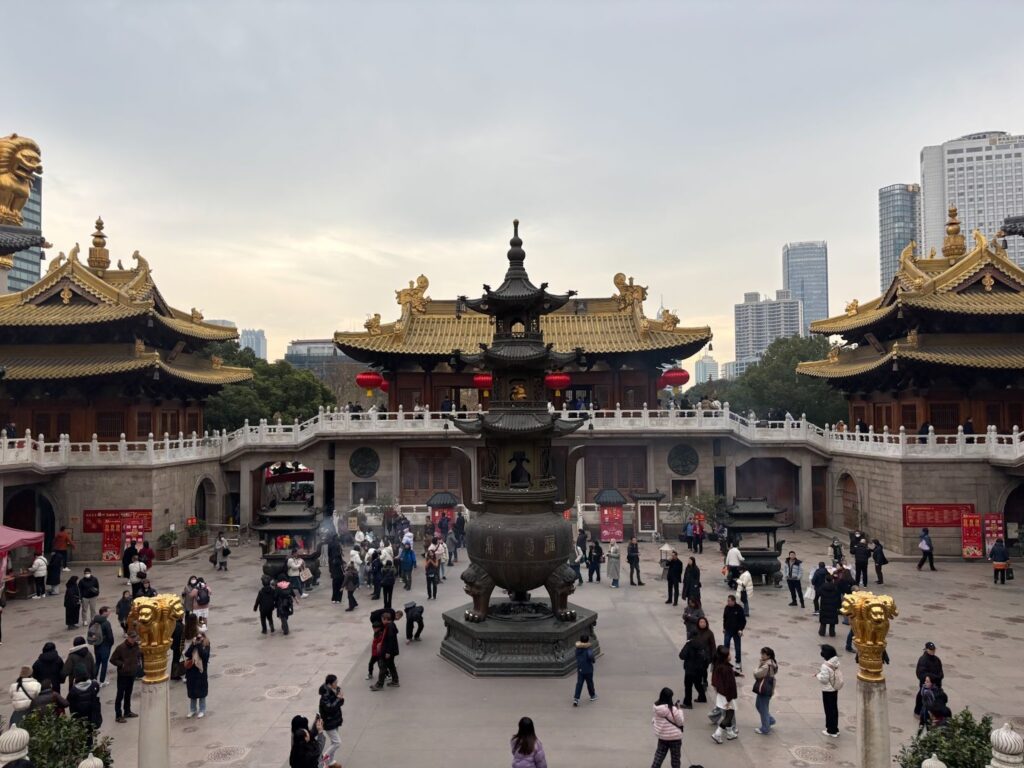
Jing’an Temple was originally built near Suzhou Creek in Shanghai, but was later moved to West Nanjing Road. Inside, it features 3 different halls, with buildings containing statues. The temple has one hall in the center with 2 smaller halls on the sides. In the center is a plaza where people can make offerings. The architecture is intricate and has many simple but unique designs. Jing’an has bright gold-colored roofs, and I noticed many small sculptures of animals on many of them. The temple is located in the middle of the city and is surrounded by the tall buildings of modern China.
[Image Credit: Amber Wallis, 2026]
- Harbin
Harbin is known for its winter festivals, and it has one of the largest ice and snow festivals in the world. Ice activities date back to the Qing Dynasty, and over time, they have become more widespread, eventually becoming traditions such as ice sculpting. The first ice festival was held in 1960, and in 1985, the Harbin Ice and Snow Festival was officially established. The festival begins on January 5 and lasts for 2 months.
[Image Credit: Amber Wallis, 2026]
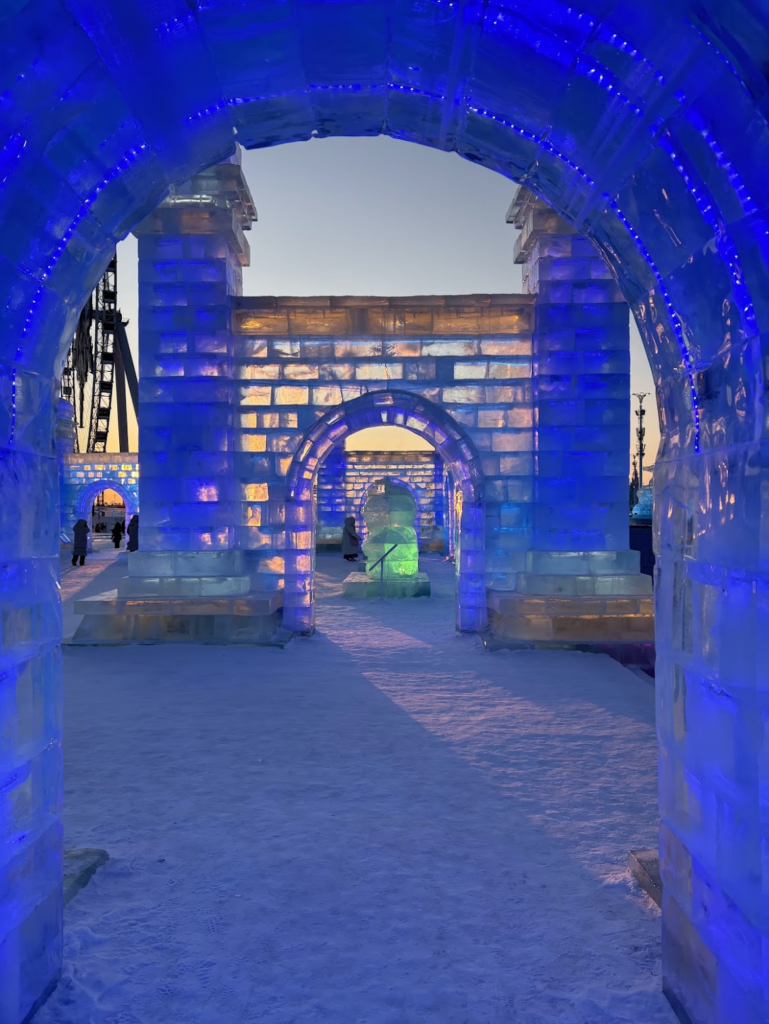
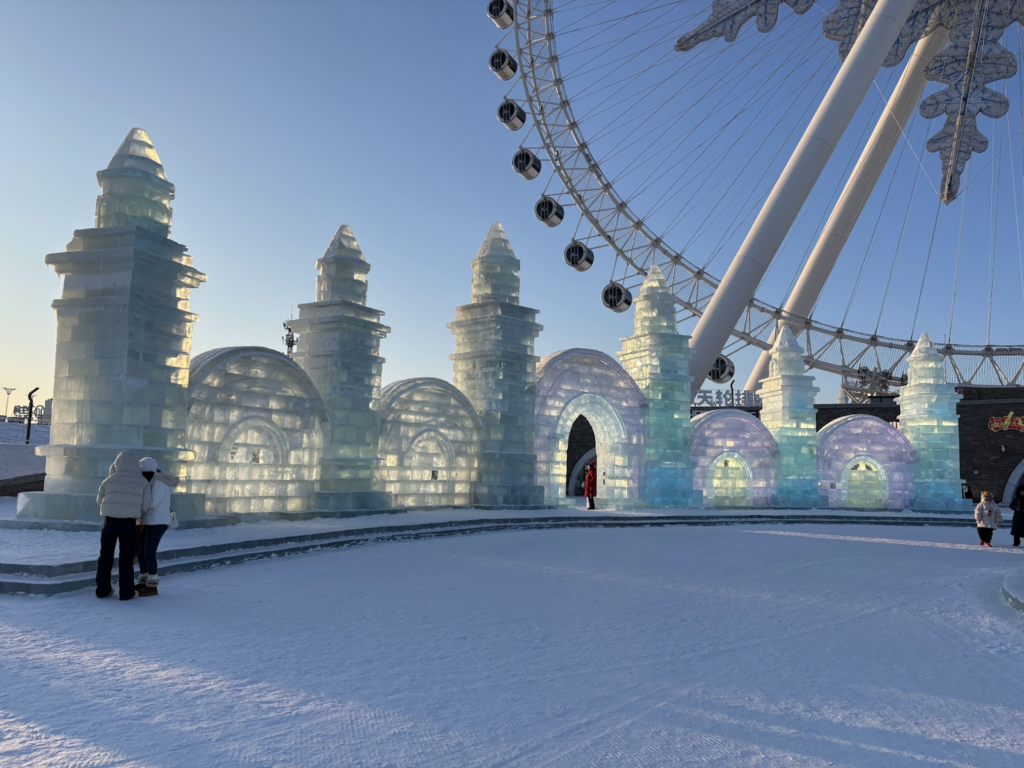
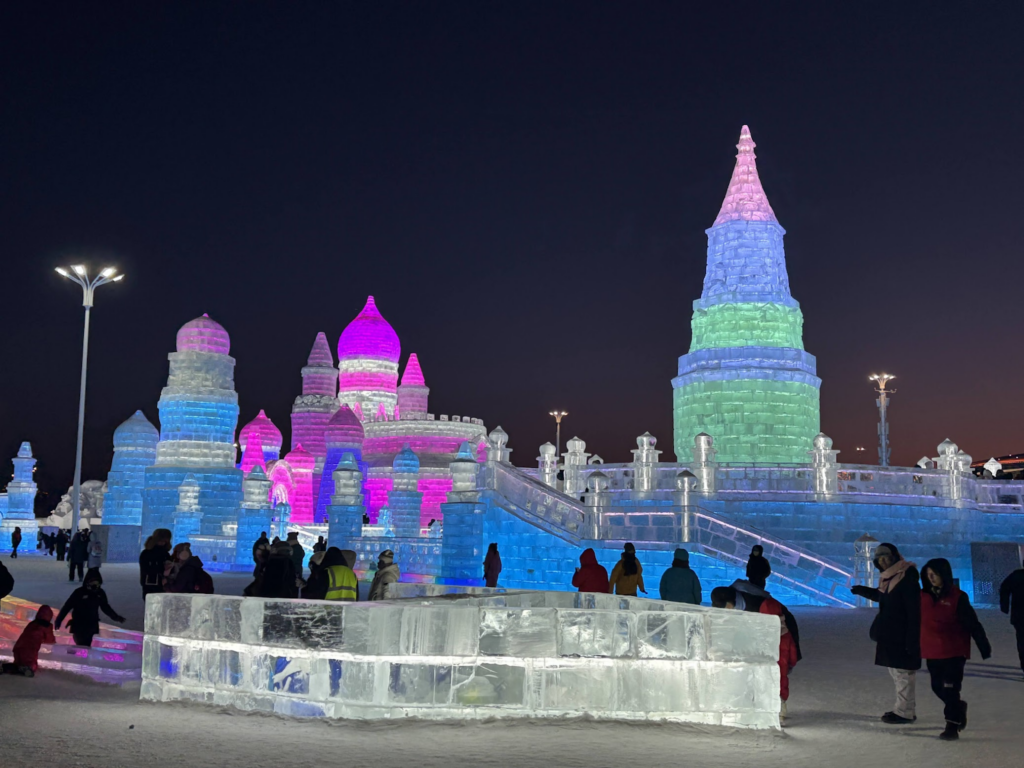
The Harbin Ice and Snow Festival features numerous ice and snow sculptures, including figures such as castles, slides, and arches crafted from ice harvested from the Songhua River. Structures can be as tall as 43 meters or as small as slides and sculptures of animals or figures. At night, lights illuminate the ice sculptures, transforming the place into a breathtaking winter wonderland. I enjoyed visiting the festival because I had never seen any ice sculptures before, and it was interesting to see the different designs. The lights also added unique effects to the ice and illuminated the area while it was dark. I liked the arches they built since the lights illuminated each brick of ice. Construction took about 15-20 days, and over 220,000 cubic meters of ice were used to make the sculptures. The ice is first cut out of the Songhua River, then transported to the festival’s location for sculpture. There are about 40,000 ice and snow sculptors in Harbin, a large increase from the first event.
[Image Credit: Amber Wallis, 2026]
Although there were many activities to do outside, it was very cold in Harbin, and temperatures were as low as -20ºF. Because of this, being prepared for the temperature can help you have more time outside to explore. I went to the festival in the afternoon and had plenty of time to look around. After the sunset, it started to get cold, and I only stayed for about an hour to see all the lights.
Sun Island Scenic Area also has sculptures, but these were primarily made out of snow. Here, sculptors compete to make the most intricate sculptures. Some used coloring to make unique designs, such as a decorated vase, while others mainly used snow to make animals like lions or pandas. These are best seen during the day, and the area isn’t as well lit up as the Ice and Snow World. There are also a variety of activities to do here, such as ice fishing and sledding, as well as visiting the zoo.
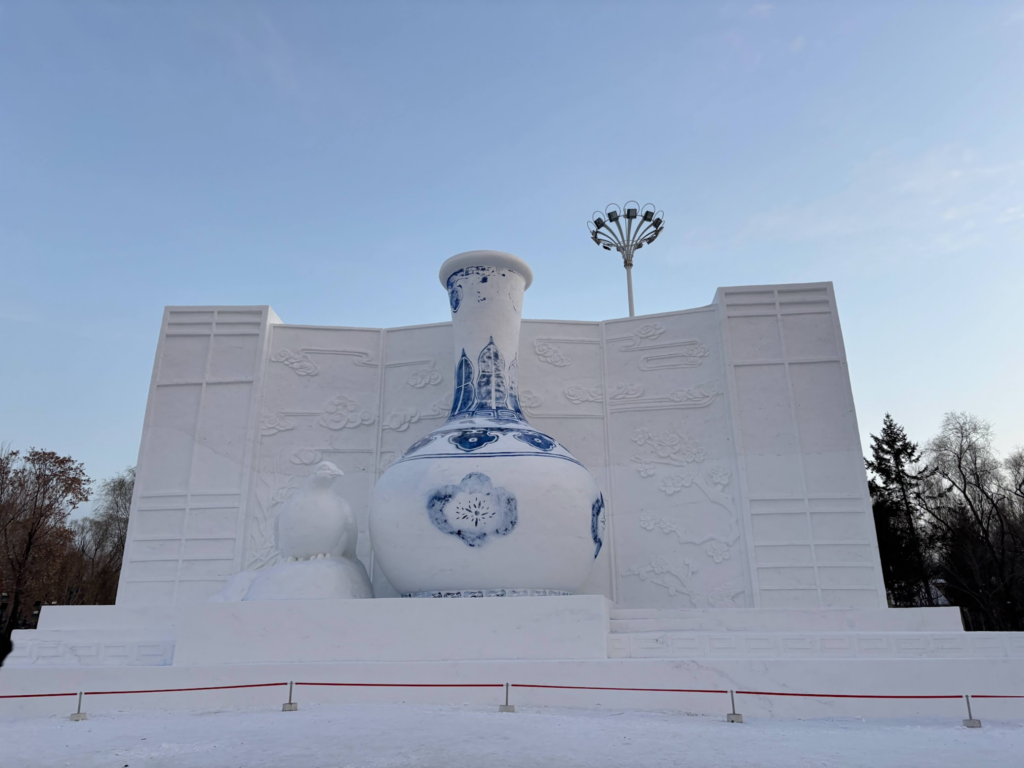
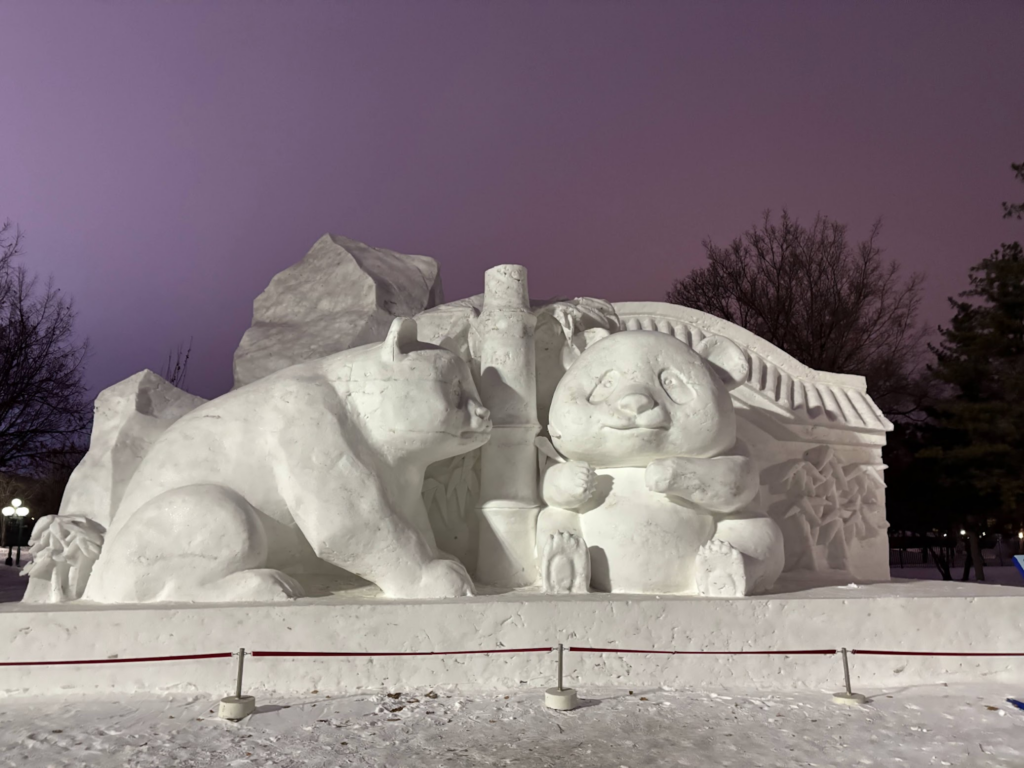
[Image Credit: Amber Wallis, 2026]
- Gongqing Forest Park
Gongqing Forest Park is a diverse landscape, consisting of lush forests with tall trees, a bamboo grove, and a river. This park was peaceful and had lots of places to walk around. Despite visiting in the winter, there were many colors to see, and most trees still had orange, red, and green leaves. Activities such as horseback riding and going on a small roller coaster were available to visitors. I enjoyed walking through the diverse environments and seeing the different birds there. I saw birds like the Common Hoopoe and the Common Kingfisher. Compared to the birds in the United States, these were more vivid, and I have never seen anything like them before. I was excited to see the kingfisher since I always saw pictures or videos of them, but never got the chance to see one in person.
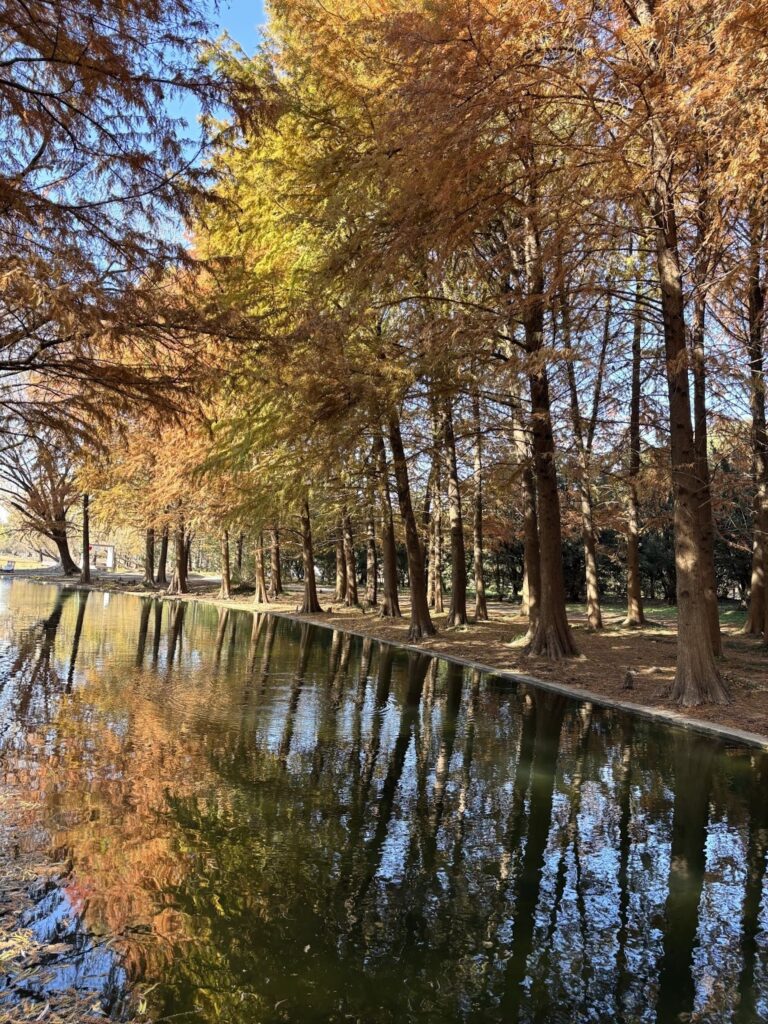

(Right: Common Hoopoe) [Image Credit: Amber Wallis, 2026]
Sources:
Yu Garden, Shanghai Yuyuan Garden Opening Hours, Entrance Fee
7 Things You Didn’t Know About The Yu Garden Of Shanghai
Main Tower of Harbin Ice and Snow World Topped Off
Harbin (Ice City in China): Ice Festival, Attractions, History, Weather
How Harbin Became a Winter Wonderland | The World of Chinese
Leave a comment