
A Tribute to my Childhood: Favorite Chinese Dishes
Shutterstock
By: Joy Ye
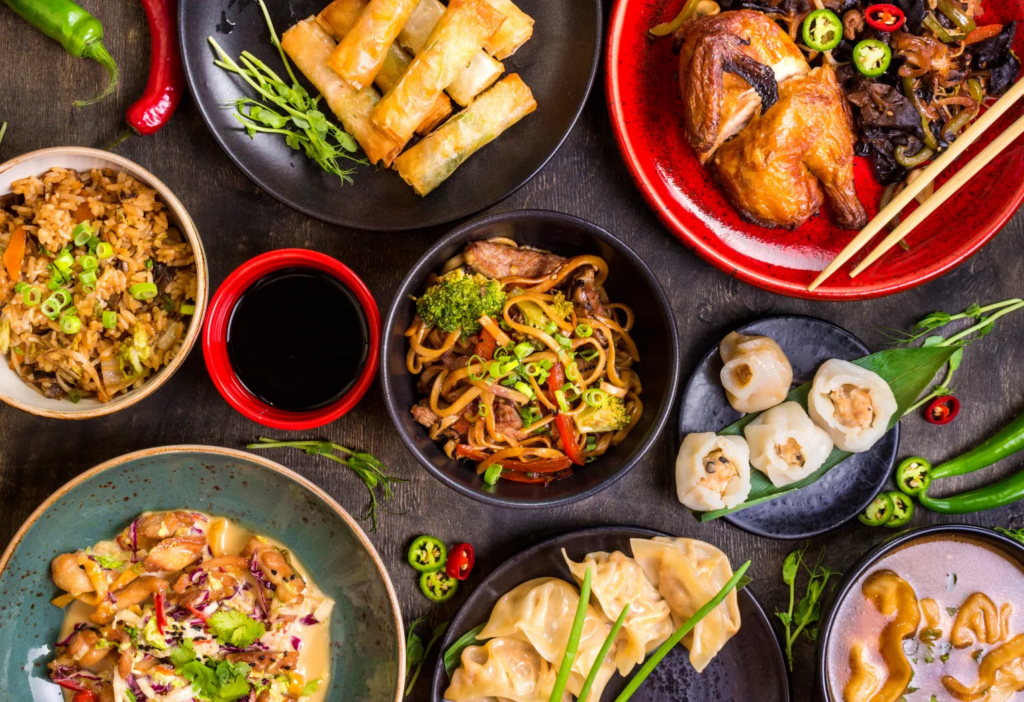
Growing up Chinese meant eating Chinese. My grandma cooked these dishes for me throughout my entire childhood, yet I only grew to appreciate them later. While she is still alive, I want to show my appreciation for her care over the years and for the food she’s cooked for me.
When I think about homemade meals, the main things that come to mind are the various dishes my grandma made for my family throughout my childhood. Given our Chinese heritage, most, if not all of them, were Chinese cuisine. I didn’t think too much of it as a kid, but as I got older, I became aware of just how lucky I was that my grandma lived with us and helped me maintain my cultural heritage at home. I have since grown to appreciate the food my grandma has worked to put on my plate each day, and definitely developed some favorites that I want to share with others.
- Zheng Ji Dan Geng (蒸鸡蛋羹)
Savour the Pho
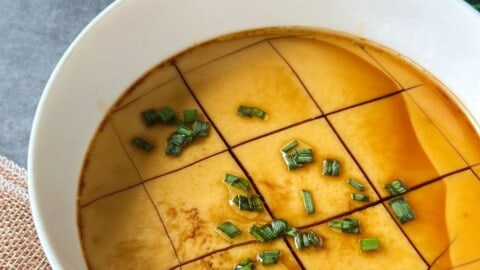
Also called Chinese steamed egg custard, this dish is a savory egg dish that has seen me through both my best and worst days. My grandma and mom would make this for me whenever I felt sick and couldn’t stomach much food. It was light on the stomach, yet still delicious and filling. I’d even call it the Chinese equivalent of chicken noodle soup.
The base recipe itself is simple, consisting of egg, water, salt, and maybe green onion plus some sauce or seasoning, like soy sauce. The reason why I like it so much is not because of its simplicity, rather the texture of the egg that’s soft and silky. It’s comforting, hearty, and a classic in many Chinese households. It’s an easily customizable dish as well, as you could add different meats, veggies, and seasoning to suit anyone’s taste.
- Jiao Zi (饺子)
Egg Wan’s Food Odyssey
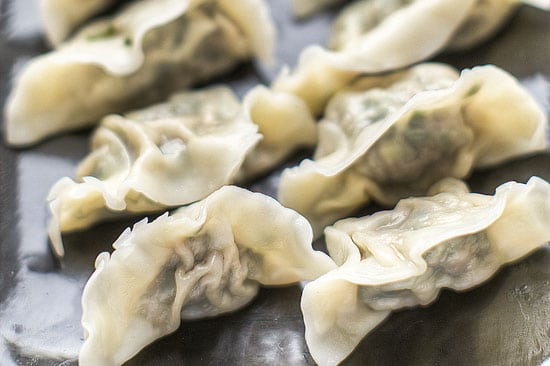
This is a type of Chinese dumpling that often has a vegetable or ground meat filling. The ones that I grew up with were always made from scratch by my grandma, which remain my favorites to this day. It’s hard to beat the fresh dough and customized filling that she made for us. I have fond memories of afternoons in the kitchen with my family, where I’d roll out the dough and my other family members would wrap the filling. If you are familiar with jiao zi, you may think of them as only savory foods, but my grandma also made sweet ones with red bean or brown sugar as the filling. It may be less traditional, but it is just as delicious.
Its dough is simple, consisting of just flour and water, but it’s easy to tell if you’ve got it too soft or too tough. The filling can be more complicated, depending on what you put inside, and there are many variations of jiao zi because of how many types of filling there are. My favorite kinds are pork and veggie, chive and egg, and mushroom and beef. Often, it is served with black rice vinegar or some kind of chili oil for dipping.
- Cong You Bing (葱油饼)
No Recipes
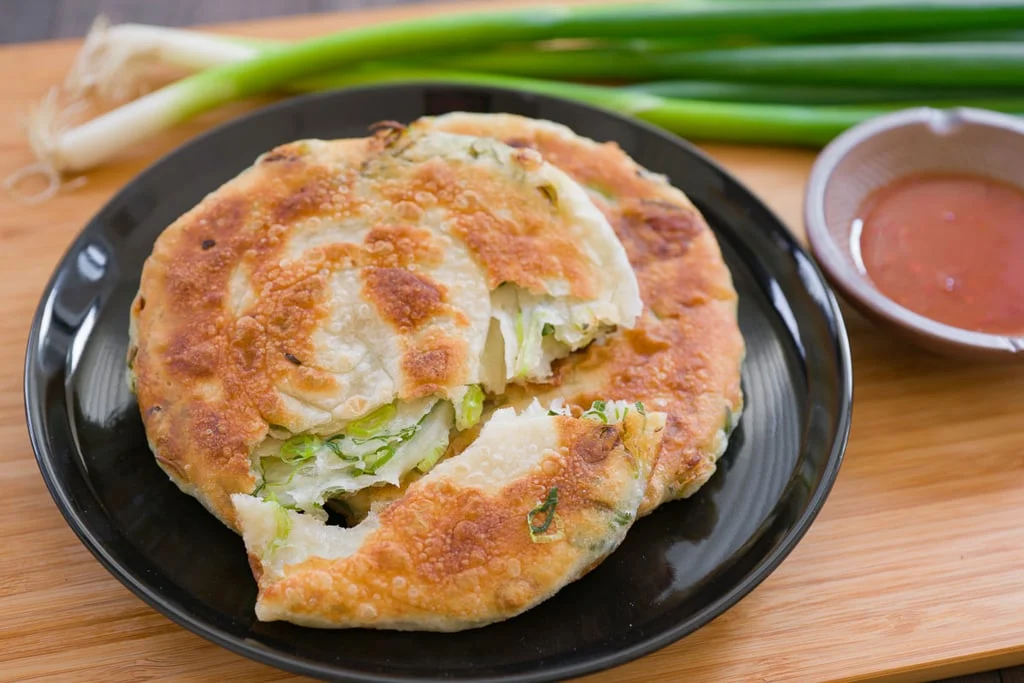
These are often called scallion pancakes, but they’re very different from Western pancakes. Not only is this dish delicious, but also extremely fun to make. When I was still a novice in the kitchen, I’d beg to be allowed to assemble the cong you bing. I think I was particularly fond of rolling dough in the kitchen, since I’d also do the same for rolling out the dough when making jiao zi. Cong you bing is a dish I always look forward to, and could probably eat multiple plates of. Unfortunately for me, it’s just as popular with the rest of the family.
They’re made of a flour and water-based dough and have layers of scallion oil fillings inside. This is achieved by repeatedly folding the dough with the scallion and oil inside, similar to the process of making a croissant, but slightly less tedious. It is then pan-fried to cook it. Most often, cong you bing is a thinner, chewy kind of pancake, but the ones I’m used to are a bit more like bread.
- Ba Bao Zhou (八宝粥)
Yang’s Nourishing Kitchen
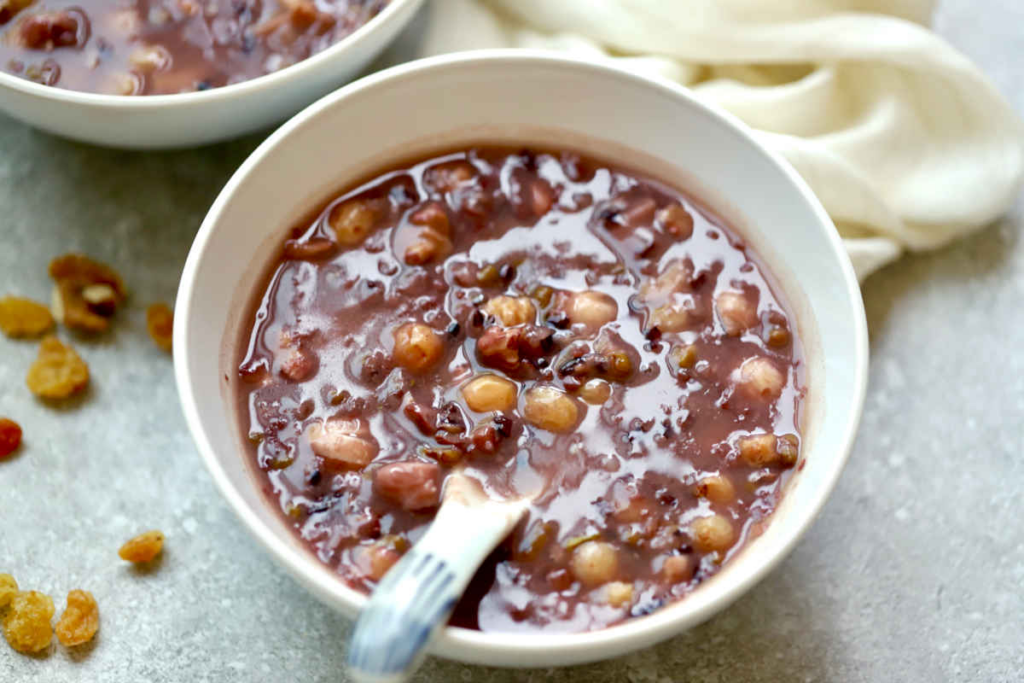
Bao bao zhou, or eight treasure congee, is a porridge that is extremely nutritious and can be served as a side dish or dessert. It was one of the ways my grandma would get me to eat healthy as a kid, without me complaining about it, as I did with vegetables. Similar to ji dan geng, it was also something I’d eat often when I got sick, and I grew to associate it with the comfort and care my mom would put into the dish.
As the name suggests, there are eight main ingredients to this dish: red beans, mung beans, kidney beans, purple rice, glutinous rice, peanuts, dried lily bulbs, and goji berries. These are just the ingredients I’m most familiar with, but in reality, there are many different variations on this dish, depending on region and family, and often consist of more than just eight ingredients. It’s usually cooked in a pressure cooker so that the beans will break down faster, but it can be cooked on a stovetop too.
If I did end up talking about all my favorite dishes in detail, this would go on forever, so here are some honorable mentions.
- Hei Zhi Ma Hu (黑芝麻糊)
Black sesame soup is absolutely delicious and most often served as a dessert. It can be found as instant packets in powder form in most asian supermarkets, which is what I mostly grew up with as a comfort food.
- Tu Dou Si (土豆絲)
Chinese stir-fried shredded potatoes is something I devour every time it’s on the table. It maintains part of the crunchy texture of the potatoes while fully cooked and is probably the most unique take on potatoes I know.
- Yue Bing (月饼)
Mooncakes are a dessert that is traditionally eaten during the Mid-Autumn festival. It typically has a baked pastry shell with some kind of sweet filling on the inside, but there are many variations like those made with flaky, multi-layered crusts, crust made from glutinous rice flour, and savory fillings.
- Tang Yuan (团圆)
This is often called sweet dumplings, but they are made differently from jiao zi. The outside is made of glutinous rice flour and the filling is sweet, like with black sesame or red bean.
- Ba Bao Fan (八宝饭)
Similar to ba bao zhou, eight treasure rice has 8 major ingredients and is a nourishing dish. The main difference between ba bao zhou and ba bao fan is that instead of putting it into a pressure cooker to turn it into soup, the glutinous rice becomes the base and the ingredients are layered in a rice cooker.
These were the foods that helped raise me, and I want to share that childhood comfort with others. While I think they taste best homecooked, it’s pretty easy to find some of these at a local chinese restaurant. Out of all these dishes, the ones I recommend the most are either Zheng Ji Dan Geng and Con You Bing. These two are not only my personal favorites, but a great introduction to Chinese food if you want to expand your taste palate.