I Feel Everything Album Review
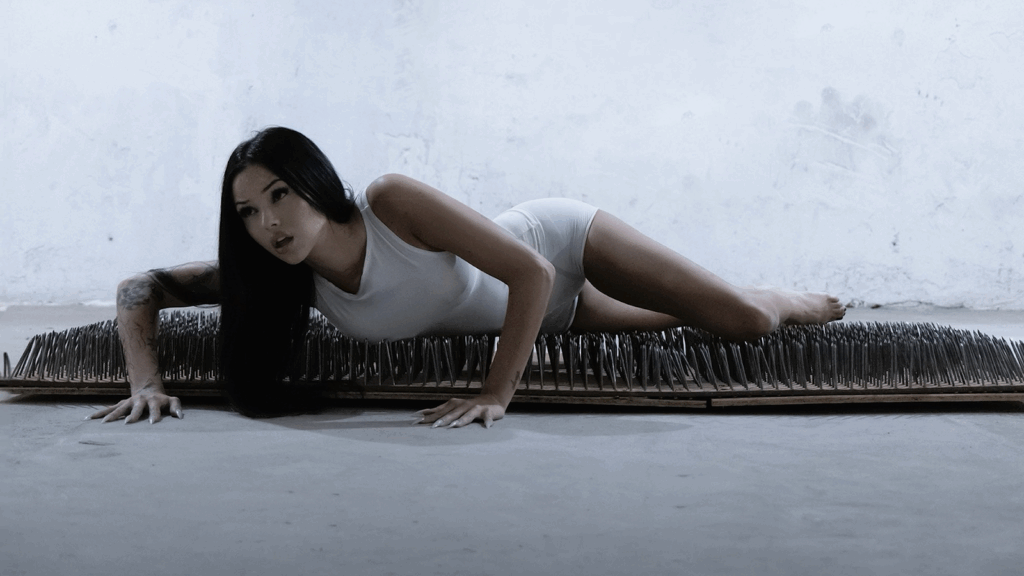
(Image Credit: Album cover for I Feel Everything by Maggie Lindemann, 2025)
By: Amber Wallis
Maggie Lindemann is a 27-year-old singer and has been making music since 2015. Her music focuses on personal struggles and her experiences with relationships. Maggie Lindemann uses music to express her emotions and produces powerful lyrics relatable to all. She released 4 albums so far, and her newest one, I Feel Everything, was released on October 17, 2025. This album features 16 songs and has collaborations with artists such as Julia Wolf and The Warning. In this article, the songs are in the order in which they appear on the album.
1. fang
The album begins with “fang”, an expressive song that describes the harm one can experience when in a toxic relationship. Maggie Lindemann’s soft yet powerful voice contrasts with the repetition of the word “fang,” highlighting the danger and destructiveness she has experienced in relationships. The lyrics “Say you want a taste, when it comes you can’t let it go / Written in our fate, so you don’t want the antidote,” demonstrate the instinctive nature of the partner and portray the relationship as an obsession or addiction. Similarly, the title can also be interpreted as sharp teeth from an animal, and creates a feeling of confinement. This song is an excellent opener for her album as it dives straight into the emotional turmoil Maggie Lindemann experiences.
2. spine

(Image Credit: Maggie Lindemann, 2025)
The track begins with a catchy beat and is followed by Maggie Linderman’s vocals. Compared to “fang,” this song is quicker and more energetic. The lyrics share the process of a relationship and the repetitiveness of a partner’s promises. This is seen when she sings “Told me that you’re the man / And I just let you fantasize” and “You’re never going to get it right / It’s the same thing every time.” These lines demonstrate the need for the partner to act bravely and independently. Without this, connections become a twist of repeated lines and feel formulaic. The song also reveals the lack of emotional connection because of the mainstream relationship ideas present in today’s society. “Spine” focuses on boredom and shallowness one may experience in a relationship and encourages partners to be original in their actions.
3. mourning
“Mourning” expresses the sorrow Lindemann experiences when recalling memories of a close partner who has now grown distant. She captures the feelings of panic and self-awareness in her lyrics and demonstrates the discomfort that arises when a partner does not reciprocate feelings despite one’s own effort. The words “I’m mourning someone who has not gone” suggest the closeness she still feels in her partner’s presence, but at the same time, it is not the same person, as they aren’t giving their whole love to her as they used to. Lindemann also recreates the confusing feeling experienced during this in-between stage and expresses her struggles in understanding the situation and herself, as written in the lines “My body’s in a fight or flight” and “I’m staying where I don’t belong.” Overall, this emotional song carries the weight of attachment and expresses the vulnerability Maggie Lindemann feels in relationships.
4. joyride
This song illustrates the chaos of life and the exhilarating moments that one experiences despite their ongoing troubles. The repetition of “nothing lasts forever” and “it’s a shit show, it’s a joyride” in the song presents the idea of living in the moment. “Joyride” also captures the range of emotions felt during late-night drives, as reflected in the quick and slow pacing of the rhythm.
5. suburbs
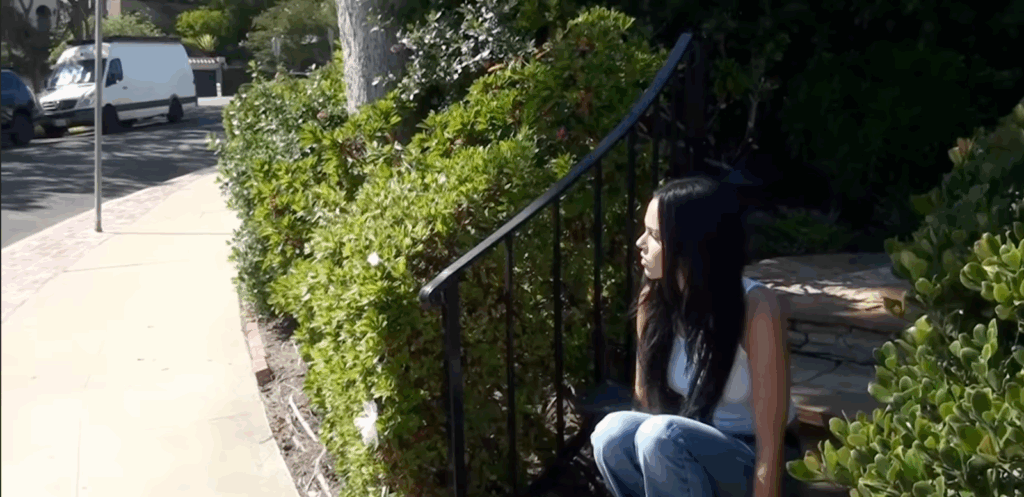
(Image Credit: “Suburbs” (Official Music Video) by Maggie Lindemann, YouTube, 2025)
“Suburbs” begins with a narration of returning home in a car and then shifts to thoughts about the choices the speaker could have made in their life. Lindemann visualizes society’s ideal, perfect life, but also calls out its flaws. She mentions, “the cost of living’s getting high, I’d trade my soul for some peace of mind,” and this suggests the pain in appearing perfect, but at the same time, this life isn’t what she wanted. “Suburbs” also illustrates the expected life of her, living in big houses and drinking, but this idea is rejected by feelings of self-awareness and depression. This song focuses on the alternate scenarios others may imagine about their own life and reflects the idea of change in environments.
6. let me burn
In this song, Maggie Lindemann collaborates with The Warning, a rock band. “Let me burn” expresses the lack of self-worth in a manipulative relationship and focuses on how the pain of one brings another’s satisfaction. This is conveyed when Lindemann writes, “Why do I have to break down / build your ego up again,” and “searching for my faults, please let me know.” The second lyric illustrates the power dynamic of a close connection, and the speaker looks for reassurance to maintain a strong relationship with the partner despite the pain it brings. As the song transitions, lyrics such as “dropped my heart to hold your hand” also reinforce the absence of emotional connection in this relationship. The Warning then sings the second verse in the song, and is joined by Maggie Lindemann in the chorus. This effect evokes a yearning for empathy and also conveys the emotional exhaustion from the connection.
7. i don’t belong here
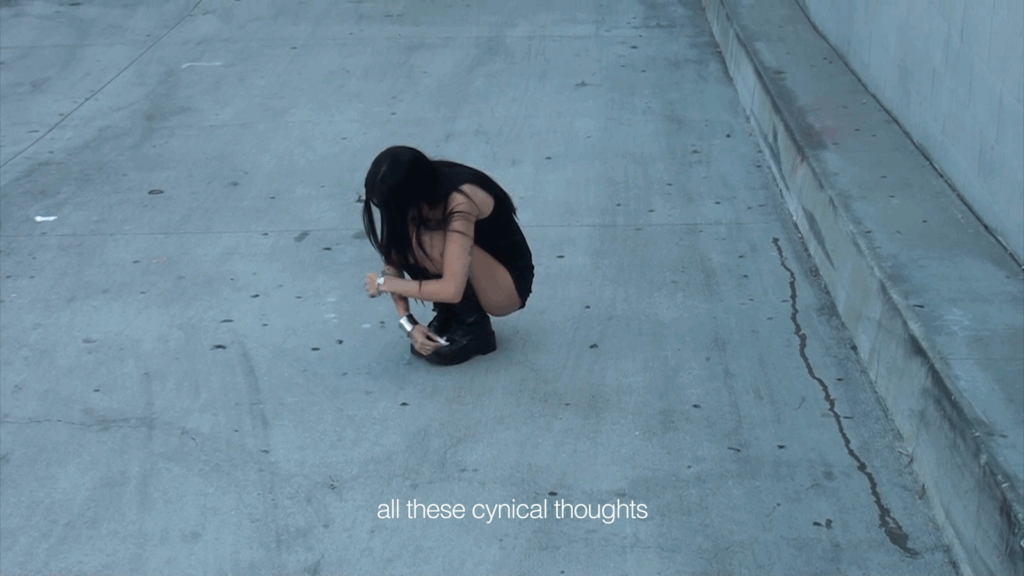
(Image Credit: “i don’t belong here” (Official Lyric Video) by Maggie Lindemann, YouTube, 2025)
“I don’t belong here” sets a similar musical atmosphere to “mourning” and illustrates feelings of rejection in oneself and among others. The title describes her separation in an environment with other people, like a crowded room or a party. Throughout the song, Maggie Lindemann describes different aspects of self-loathing and depicts the difficulty in finding self-worth when comparing to others. The words “why do I hate myself lately . . . used to feel so sure / now I’m insecure” embody the internal struggle Lindemann faces, and also confess her growing disconnection to her identity. The powerful lyrics “have I really lost her / to the word imposter?” embody her despair, revealing how she has lost herself to her intrusive thoughts and cannot find who she wants to be. Maggie Lindemann has written songs with this theme before, for example, “self sabotage,” from her album SUCKERPUNCH, also conveys a similar idea of mental struggles and their impacts. Lastly, “I don’t belong here” depicts feelings of isolation and internal struggles, and expresses the difficulty of fitting in with others.
8. evil
Maggie Lindemann writes “evil” as an accusation to call out a close partner’s toxic behavior and their excuses to harm someone. Lindemann points out a variety of instances of destructive acts and uses her bold voice to examine the hardships of this harmful behavior. The vivid imagery of “you’re asking me for a kiss while poison spills from your lips” and “you held my heart in your two hands / then crushed it like nothing” emphasizes the physical harm done to the partner. Lindemann references these human parts in different lines, thus reinforcing the idea that the manipulated individual has become broken apart. She also utilizes “you” frequently in her song and provides little description of this figure, which lets audiences imagine who this person is and allows listeners to relate to this song more as it becomes more personal. Overall, the song captures the range of emotional and physical effects of being trapped in a toxic and manipulative relationship.
This is one of my favorite songs on the album due to its powerful lyrics. This song has many qualities that set it apart from the other songs on this album, and Maggie Lindemann delivers “evil” with great confidence. I also believe this song focuses more on growing independent and learning to separate yourself from certain behaviors of others. This reinforces the lyric “you’re not sad, you’re just evil,” which demonstrates awareness of the negative demeanor, but also calls for action and change. My favorite lyric is “I thought I saw love in your eyes / turns out it was mine / my own reflection” since it is sung much softer than the other words, as if the speaker had pity for the partner and reminisced on parts of their relationship before it fell apart. The lyric also contributes to the references to anatomy and illustrates the connection between being physically affected by a partner and how it translates mentally. Because of this imagery, “evil” allows Maggie Lindemann to speak to her fans and share her awareness of manipulative behaviors, and express confidence to overcome these situations.
9. lost cause
“Lost cause” expresses the frantic thoughts Lindemann experiences when home alone without anyone. Many lines of the song focus on the thought of a partner cheating, and as they are away with others, the speaker imagines different scenarios where they are no longer together. The lines “Rewriting every storyline / like you’re not into me / and you’re just gonna leave / been living it a thousand times like I’m stuck on repeat,” illustrate the cycle the speaker cannot get out of. Because the speaker is alone so much, she cannot mentally escape these ideas, and the absence of a partner on multiple occasions only reinforces her intrusive thoughts. Maggie Lindemann also sings “I’m spiraling down and down and down, and I can’t stop,” which highlights the mental struggle Lindemann faces. “Lost cause” depicts the obsessive behaviors people experience and how they do not want to be alone due to overthinking.
10. 2022
(Image Credit: “2022” (single) by Maggie Lindemann and Julia Wolf, YouTube, 2025)
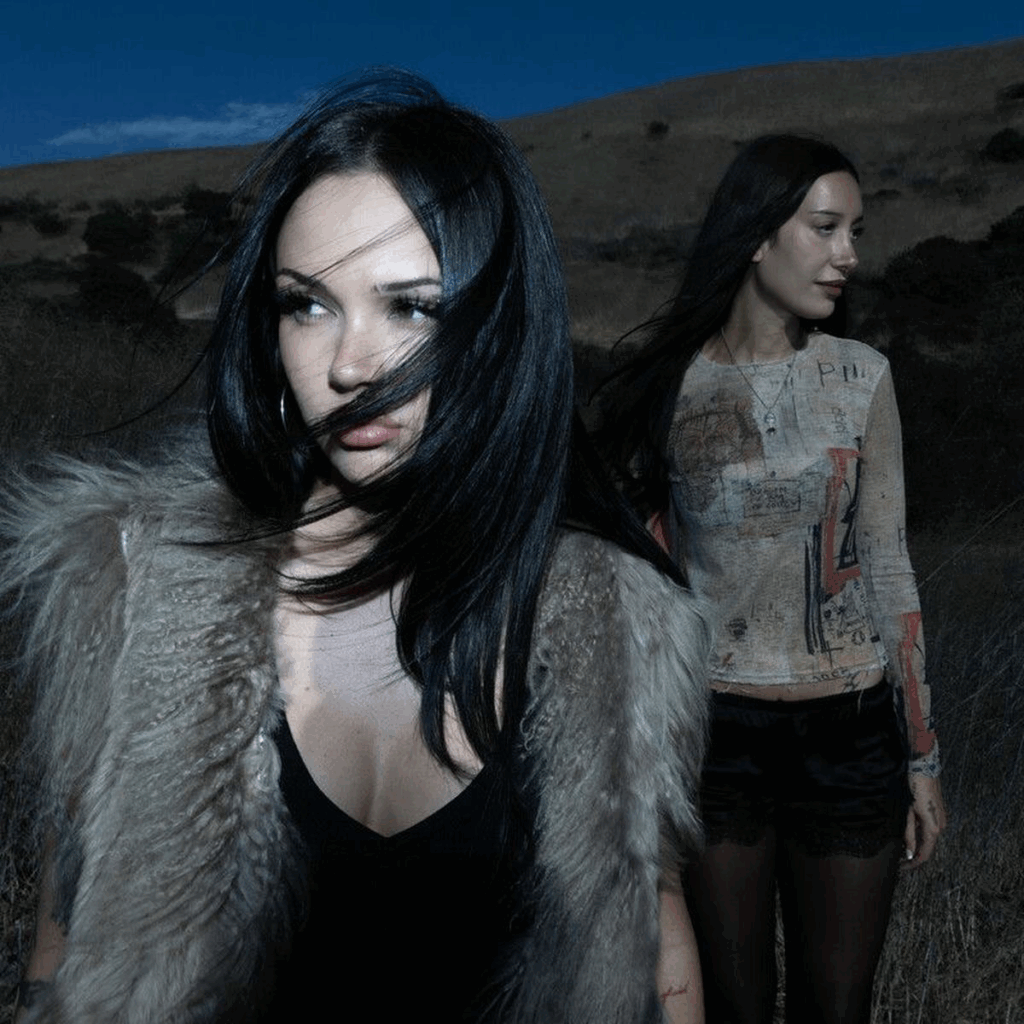
“2022” also features Julia Wolf, a 30-year-old alternative pop singer. This song reminisces about a time in the past and how the speaker lost themselves because of a relationship. This is expressed in “is it 2022 or are you sick of me yet? / dug myself in a grave that you buried me in,” and highlights how a partner took control of the relationship, forcing the lover to be trapped in another’s ideal version of themself. “Are you sick of me yet?” also depicts the feeling of loneliness and insecurity, as in this scenario, the speaker may want to separate from the relationship, but cannot due to the loss of their own personality. This song visualizes the confusing stage of understanding oneself, and by being in a relationship, the speaker is molded into a personality, without realizing what they have lost. “2022” also focuses on imagery and uses concepts of graves and the cold to express the discomfort in this connection. Words like “are so cold / I’ve been freezing on my own,” suggest the trouble the speaker feels, as they cannot live on their own due to the excessive influence of the partner and have become a distorted version of themself.
I like this song because of Maggie Lindemann and Julia Wolf’s vocals, and both voices create a harmonious song that captures the mood of reminiscing. “2022” also has a lot of strong lyrics, and one of my favorites is “they put my face on a flyer, I couldn’t recognize it / who is she?” I feel that this lyric represents the speaker’s attempt to find themselves outside of the draining relationship, but ultimately cannot. It also captures how people may physically look the same, but can mentally change due to influences that affect their way of thinking and living. Another emotional line is “I don’t know who I am when you stop saying you love me / 2ith my life in your hands, I’ve never felt so ugly.” For me, this connects with the passing of time, and I read the first line as their thoughts during 2022, but the second line is how they think of the situation now, and have managed to escape the relationship and recovered from the harm. These lines also illustrate the change in mindset: the first lyric is very attached to the partner, but the second demonstrates their own thoughts, and the ability to label themselves as “ugly.” This song has many unique parts and invokes the feeling of nostalgia, inviting listeners to reflect on their past years.
11. fate
“Fate” is one of the songs with a quicker tempo, but it is balanced with Maggie Lindemann’s slower and softer voice. This song explores themes of being trapped, like the other songs of the album, but also introduces the concept of wanting more control over one’s own life. Lindemann believes that over time, situations will get better, but fate will not always offer your desires. “You always say it’s okay / that it will turn out fine / your words, they boil over / they burn me over time,” illustrates how someone wants to stray away from their destined life and create one for themselves. The concept of fate hurting someone suggests the lack of control in their life and creates an illusion of endless suffering.
12. heart drop
“Heart drop” conveys the rush of emotions Maggie Lindemann feels when recalling a past relationship, and she wonders if the partner still thinks about her. Different imagined instances of seeing the loved one evoke anxiety in the narrator, as “my stomach’s tied in knots / how are we both breathing when I can feel my heart drop?” This anticipation suggests the hope of seeing this person again, but also dread, as they no longer have the same connection. “Heart drop” feels lighter than the other song, but also evokes a wide range of feelings, from elation and joy to tension and anxiety.
13. split
(Image Credit: “split” (Official Music Video) by Maggie Lindemann, YouTube, 2025)
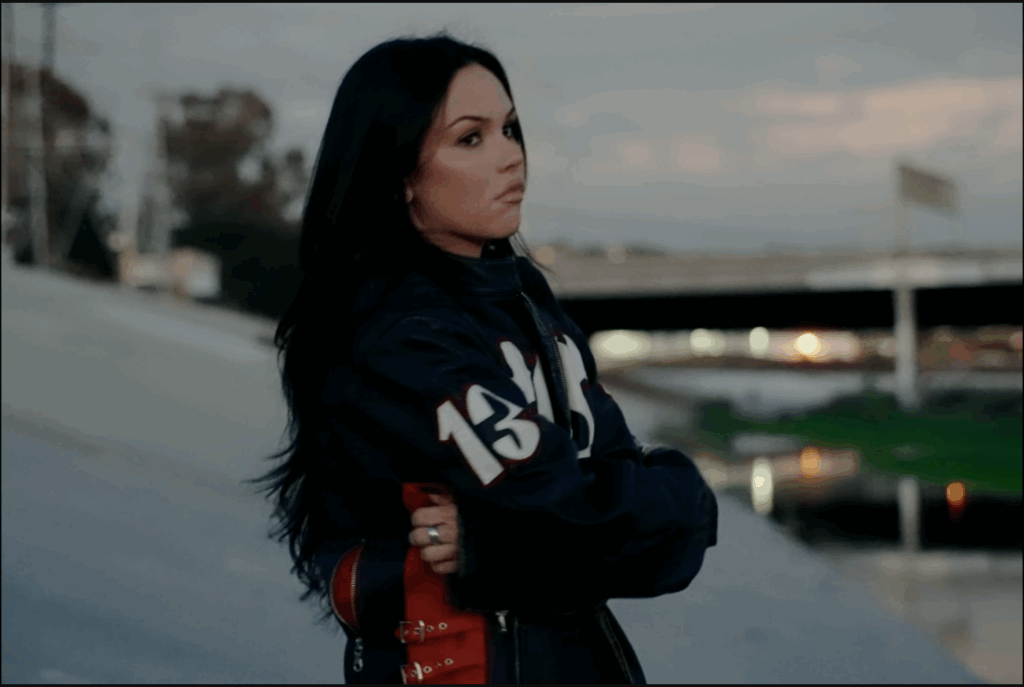
This song is the 2nd song to have a music video in the I Feel Everything album so far. “Split” opens with a soft electric guitar riff, then moves into a quicker beat with lyrics. Lindemann sings about blame in relationships, and she can never understand her partner’s behavior, as described in “I don’t know which side of you’ll that I’ll get.” This changing behavior suggests the feeling of always being attacked, and the narrator must be prepared for any toxic behavior that may affect them. The words “one slip and you crack, I’ve been walking on glass” and “split, I can’t ever tell why you’re mad” suggest Lindemann’s effort to help, but in return, she will only feel hurt. Words like “glass” and “crack” envision the fragility of this situation, and small actions can easily set this relationship aflame. Lindemann carefully balances her experience of this abuse and her wishes to escape, but at the same time, the damage has already been done, as seen in “you cursed my name.” The timeline is first introduced at the start of the song, she sings, “Each day is getting worse, I can’t keep up,” which conveys the need to grow independent. Later, after she presents scenarios of being hurt, Lindemann adds, “I’ve been under attack / I don’t want to fight back.” This demonstrates the severity of her pain, and because of the emotional turmoil experienced, she doesn’t see a future in living anymore. These words also express giving up, and by feeling too much, the speaker has put herself in troubling situations that sacrifice her physical and emotional tolerance.
14. one of the ones
(Image Credit: “one of the ones” (Official Music Video) by Maggie Lindemann, YouTube, 2025)
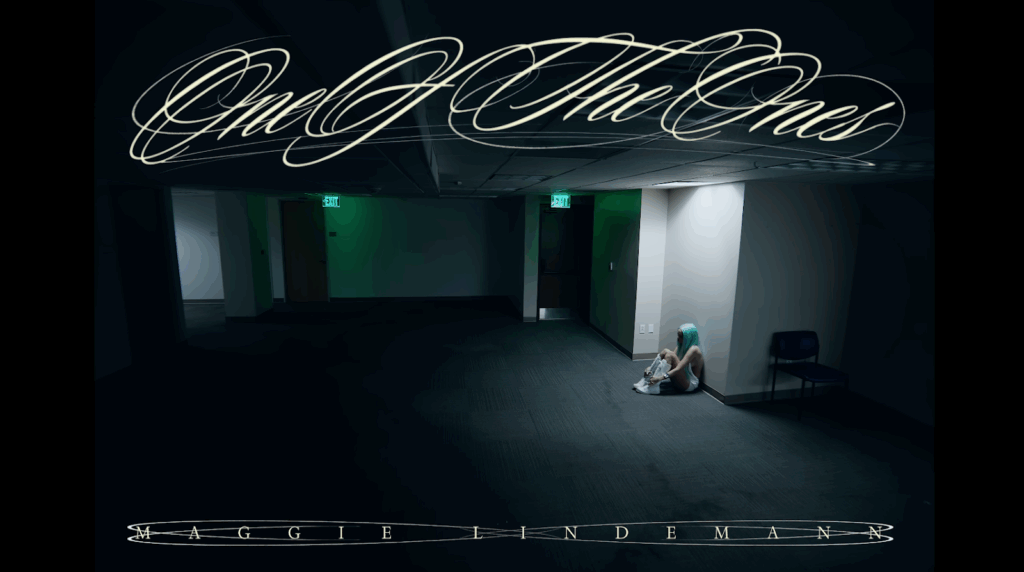
“One of the ones” is considered one of the catchier songs on the album, and it keeps its consistent beat throughout the song. This song reveals Maggie Lindemann’s thoughts about romantic relationships, and she starts the song off with the statement: “You could be the one or one of the ones.” This suggests that when looking for attachment, the connection will either be long-term or cast aside. Lindemann also details her feelings in a relationship, as she constantly expresses ways she can leave or how her love can be damaging. For example, she sings “Please, hold me but don’t get attached / too close is a knife in the back,” and this illustrates the need for intimacy, but the speaker is emotionally held back. Maggie Lindemann evaluates the complexity of a close relationship in the song and states her reluctance when looking for love.
15. It’s still you
“It’s still you” song also features Max Fry. This song delves into the arising problems of caring too much, even when a partner hurts the other person, they still will return. Maggie Lindemann sings “you say that it’s not like that when you treat me like that / but I can’t shake the truth, still see the good in you / a naive game I’ll lose, but it’s still you I choose.” This portrays the back-and-forth emotions one may feel in a relationship, and weighs the cost of returning at the speaker’s loss or believing there is an opportunity to be better. This song questions the choices made in a relationship, and emotional choices may overpower logical ones.
16. i feel everything

(Image Credit: Album cover for I Feel Everything by Maggie Lindemann, 2025)
This song wraps up the emotional experiences of the album and expresses the difficulty when feeling too much. The first words of the song carry much of this, and the question “do you see?” invites the listeners to relate to the songs on this album, and also communicates Maggie Lindemann’s pain, despite not knowing what goes through her mind. Lyrics like “I feel it all, I feel everything / why’d you drain my life from me” explain the emotional exhaustion she feels and also convey her sorrow of being with others, as she would end up more hurt due to her nature. Because of all these past experiences, Lindemann reveals the difficulty of finding real love that is not tainted by violence. “I feel everything” also contains similar language from the previous songs, and themes such as “I stayed by your side,”
“I hardly recognize / you’re a different man every night,” and “falling on a knife,” help carry the concept of being deeply affected by others and their actions, thus depicting the despair Maggie Lindemann has experienced throughout her life.