
The Truth Behind Your Clothing
hestywinarni via Adobe Stock
By: Jasmin Sangha
A simple closet clean out forced me to confront the reality of overconsumption and the hidden truths of the fashion industry. From the forgotten clothes buried deep beneath trends to the environmental and human harm behind cheap clothing, this article dives into the darker side of fast fashion and the fashion industry as a whole.
I pushed open my closet doors and looked inside. I knew my collection of clothing had been growing, but I never realized how out of control it was until I tried organizing it and didn’t recognize a lot of the clothing. I knew it was time for a change, so I got some trash bags and began sorting my clothes. I made three piles— keep, donate, and throw out. As I was looking through some of my clothes, I noticed something unsettling. I had completely forgotten about a lot of the pieces I was sifting through and only recall wearing them once or twice. Many of the items I was holding were from years ago, and they had unintentionally gotten buried in my closet. The clothing was either unwearable or damaged, but it had gotten lost in the overflowing sea of new purchases.
At that moment, I questioned myself and thought, Why did I even buy this stuff in the first place?
What is Overconsumption and Fast Fashion?
Overconsumption is a growing global issue that many people struggle with in their everyday lives. Overconsumption is a desire for more products, and the fashion industry is one of the biggest contributors to it. As demand for clothing rises, the quality and time spent on making clothing items decrease. These explanations fall under the term “fast fashion,” which is also associated with low quality, low wages, and outsourcing.
Why is it harmful?
Fast Fashion and overconsumption are directly related to one another. While overconsumption has a lasting impact on consumers, both it and fast fashion are major contributors to the environmental and social impact of the fashion industry. For example, trends constantly circulate on social media, and many of them revolve around clothing. Certain tops and bottoms grow popular and are promoted by influential content creators. This makes people feel the need to keep up with trends and buy the clothes they see online. Constantly buying new clothes can not only take a toll on consumers’ bank accounts, but also become overwhelming as their closets fill up with clothing from past trends.
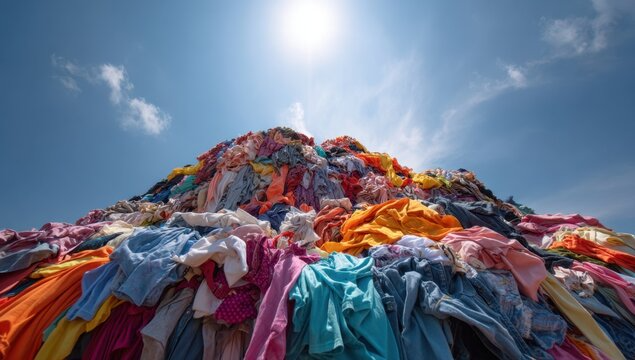
This repeating cycle is what fuels the fast fashion industry and causes companies to flourish. The industry’s objective is to produce poor-quality but trendy clothing and make consumers want to buy more clothes rapidly. This can result in people feeling the need to throw out clothes that were previously trending which leads to large amounts of clothing waste and environmental harm.
Since it is necessary to produce garments quickly because of the growing demand, brands use synthetic materials like nylon, polyester, and acrylic. These materials take centuries to biodegrade. Biodegradation is the process by which a material is broken down naturally by the organisms in an ecosystem. When materials cannot biodegrade, clothing waste grows and adds to the planet’s pollution. The fashion industry also uses an alarming amount of water: about 2,000 gallons of water is used to produce a pair of jeans, and 700 gallons to produce one singular cotton shirt.
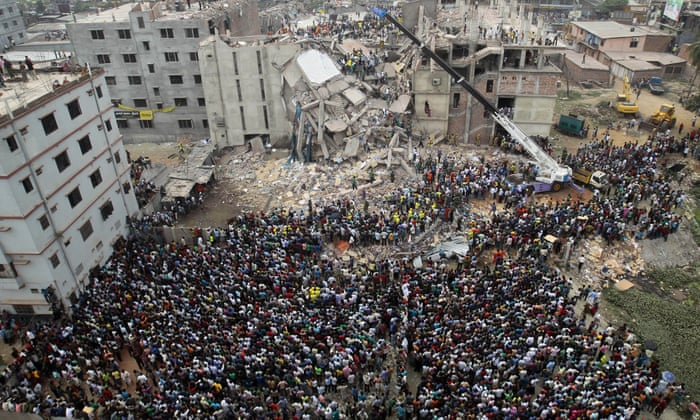
Furthermore, the direct harm of fast fashion was seen in 2013. A garment factory in Dhaka, Bangladesh, collapsed and killed 1,134 workers and injured around 2,000 more. The conditions in the factory were unsafe and not fit for work. However, the workers were instructed to continue working, and it resulted in their lives being lost. It was consumers and companies greed that killed the workers that day.
A Ahad/AP by The Guardian
Brands That Contribute to Fast Fashion:
- Zara
Zara has been a major fashion company for many years. Zara was famous for turning a garment on the runway into an item being sold in its stores in just 15 days. Currently, Zara is responsible for about 12,000 new designs and manufacturers about 450 million clothing items per day. This company is considered to be one of the fastest producing companies in the fashion industry and attracts many customers due to its speed and new apparel.
- Shein
Shein is a popular brand among our youth and is commonly promoted on social media platforms such as TikTok. Shein is growing in popularity because of its low prices. It has become one of the biggest contributors to environmental pollution in the past years and causes major overconsumption in our youth. The brand adds around 500 products to its website per day and sells more than 36 million pounds of items globally each year.
- ASOS
ASOS is a British retail store that is only available online and has around 850 brands, including its own clothing brand on the site. The site is similar to Shein and produces about 7,000 new styles and products per week. It is popular among the youth, and influencers often promote the brand. ASOS produces poor-quality items at a very fast pace in order to meet its high demand.

HelgaQ via Adobe Stock Alejandro Bernal via Adobe Stock
To answer my original question, why did I even buy this stuff in the first place, I believe I bought a lot of the items in my closet because it was trending and I thought I would wear them many times. However, I never ended up doing so. Fast fashion is a powerful business that allows companies to make a large amount of money without losing much in the process. It is important to always be aware of what you are buying and where you are buying it from. An important rule that’s helpful to remember is the 30 Wears Test. Before buying something, ask yourself if you can picture yourself wearing that item 30 times. If you can’t, don’t buy it! Trust me, it helps!
References
LaBelle, C. (2024, February 16). The Fast Fashion Epidemic. UCLA Sustainability. Retrieved September 13, 2025, from https://sustain.ucla.edu/2024/02/16/the-fast-fashion-epidemic/
Lai, O. (2022, October 15). 7 Fast Fashion Companies Responsible for Environmental Pollution. Earth.Org. Retrieved September 13, 2025, from https://earth.org/fast-fashion-companies/
Maiti, R., & Leong, C. (2025, January 20). Fast Fashion and Its Environmental Impact in 2025. Earth.Org. Retrieved September 13, 2025, from https://earth.org/fast-fashions-detrimenta l-effect-on-the-environment/